
Warm-air heat exchangers are fitted into the flue pipe run and recover some of the heat that would otherwise escape up the chimney. You will find large and small versions in diameters of 120, 130, 150, 160 and 180 mm, made from 1.5 mm sheet steel.
Ideal for owners of stoves and fireplace inserts who want to get the most out of every log.
Warm-air heat exchangers
5 products in this category.
Filters (active)
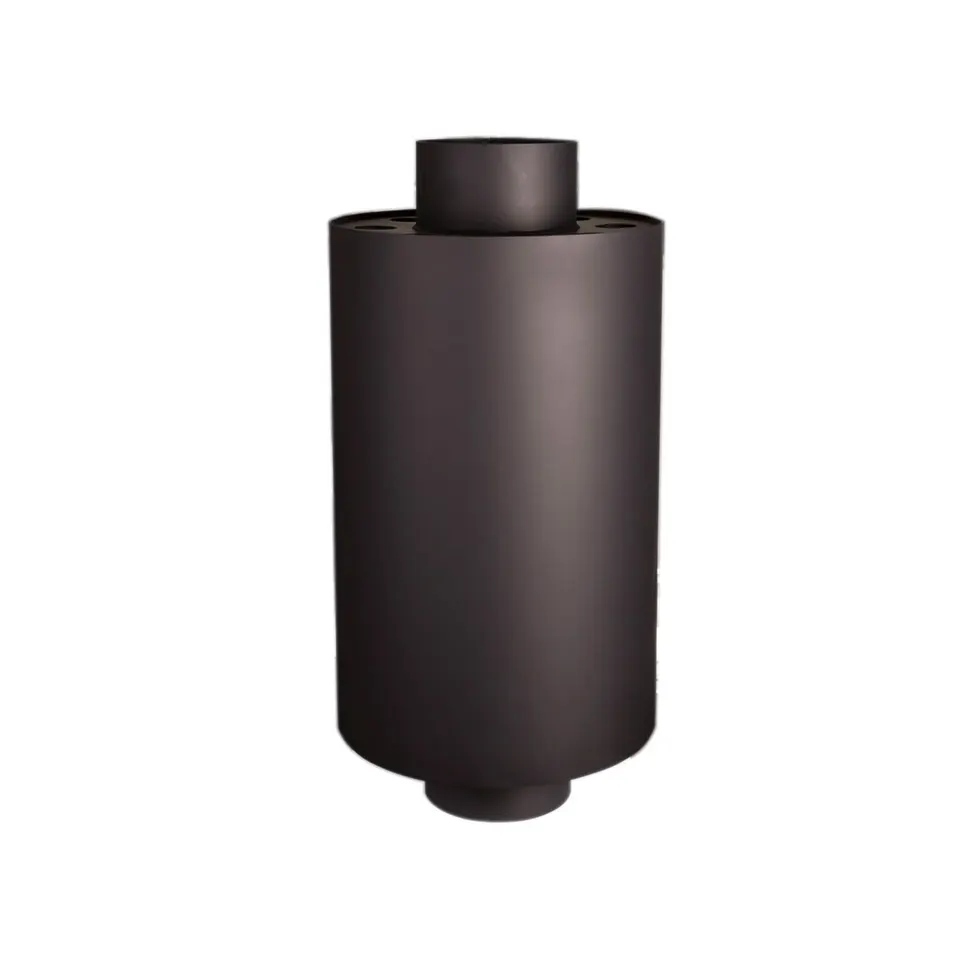
Warm-Air Heat Exchanger 150mm Large
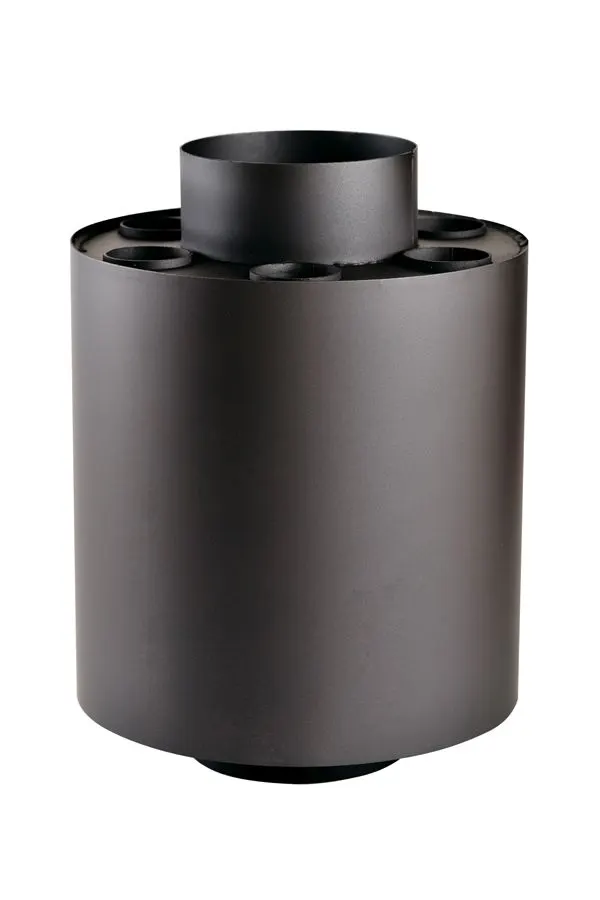
Warm-Air Heat Exchanger 120 mm Large, 1,5 mm
Warm-Air Heat Exchanger 180mm, Large
Warm-air heat exchanger 130 mm large, 1.5 mm
Warm-Air Heat Exchanger 160mm Large
How to choose the right heat exchanger
The flue pipe diameter of your appliance is what matters — the heat exchanger must connect exactly to the outlet and the other parts of the run, so choose the same size as your existing pipe. We offer diameters from 120 to 180 mm in large and small versions; the large heat exchanger has a bigger heat transfer surface, while the small one suits situations with less space above the appliance.
Things to consider when fitting
- place the heat exchanger on the vertical section of flue pipe above the appliance, where the flue gases are hottest
- keep the required clearances from combustible materials and leave access for cleaning
- make sure the run can be inspected and swept — deposits in the heat exchanger tubes reduce its effectiveness
- make the joints so that the direction of insertion follows the flue gas flow
Why 1.5 mm thick
Thicker material copes better with heat cycles and corrosion from flue gases, so the heat exchanger lasts considerably longer than thin-walled parts. That is why we also use this thickness for our other flue pipe components.
What goes with the heat exchanger
The run is usually completed with pipes, elbows, reducers and cleaning pieces from the same 1.5 mm range. Thanks to the uniform size and finish, everything fits together and the whole flue looks like one piece. If you are unsure how to put the run together, ask your chimney sweep — they will assess the chimney draught and the best position for the heat exchanger.