
Materials for building, cladding and repairing stoves, fireplaces and cookers, all in one place. Here you will find heat-resistant and masonry mortars, stove adhesives, base and finishing plasters, primers, reinforcing mesh, putty and water glass.
This category is for stove fitters and for owners who want to repair a joint, cladding or firebox themselves.
Stove-fitting supplies
32 products in this category.
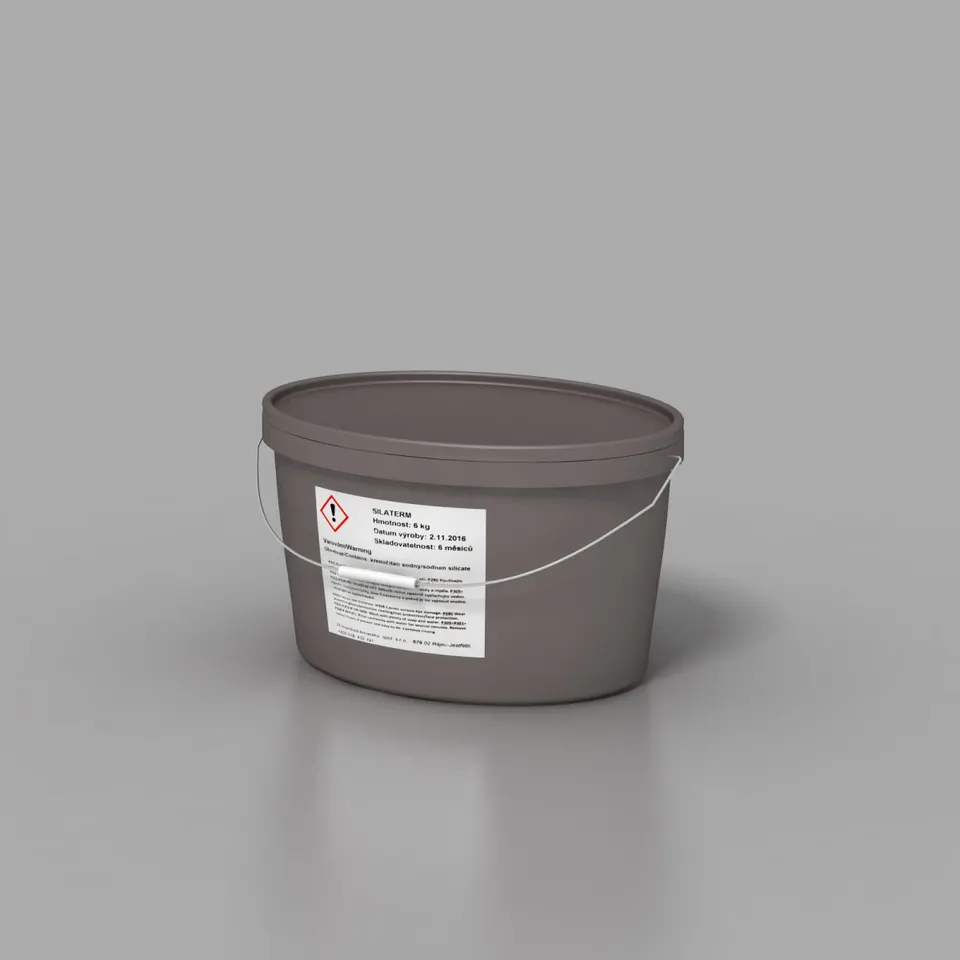
Universal adhesive 6 kg
4.5 (6)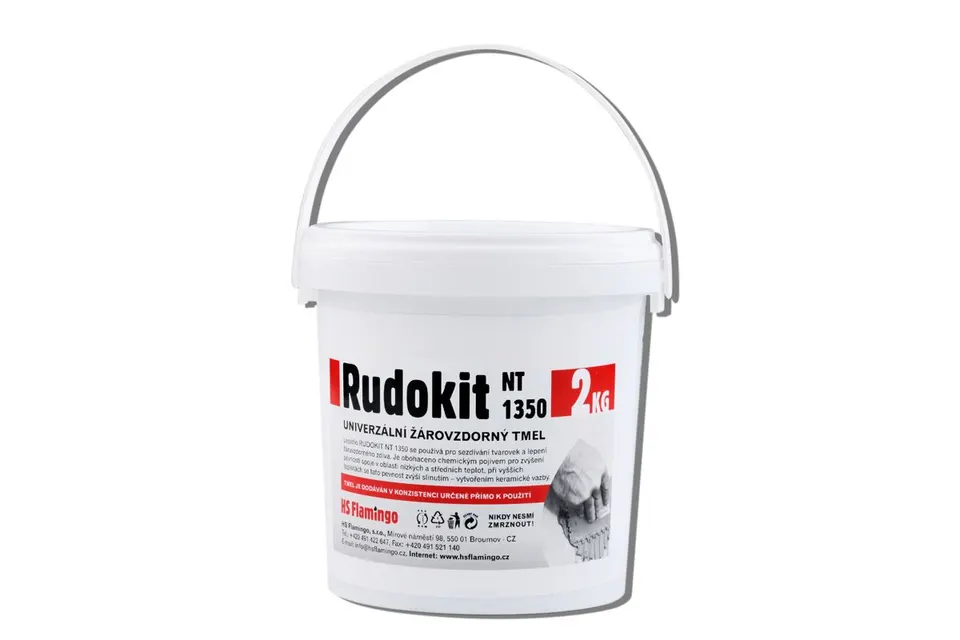
Rudokit Adhesive NT 1350 2kg
5.0 (2)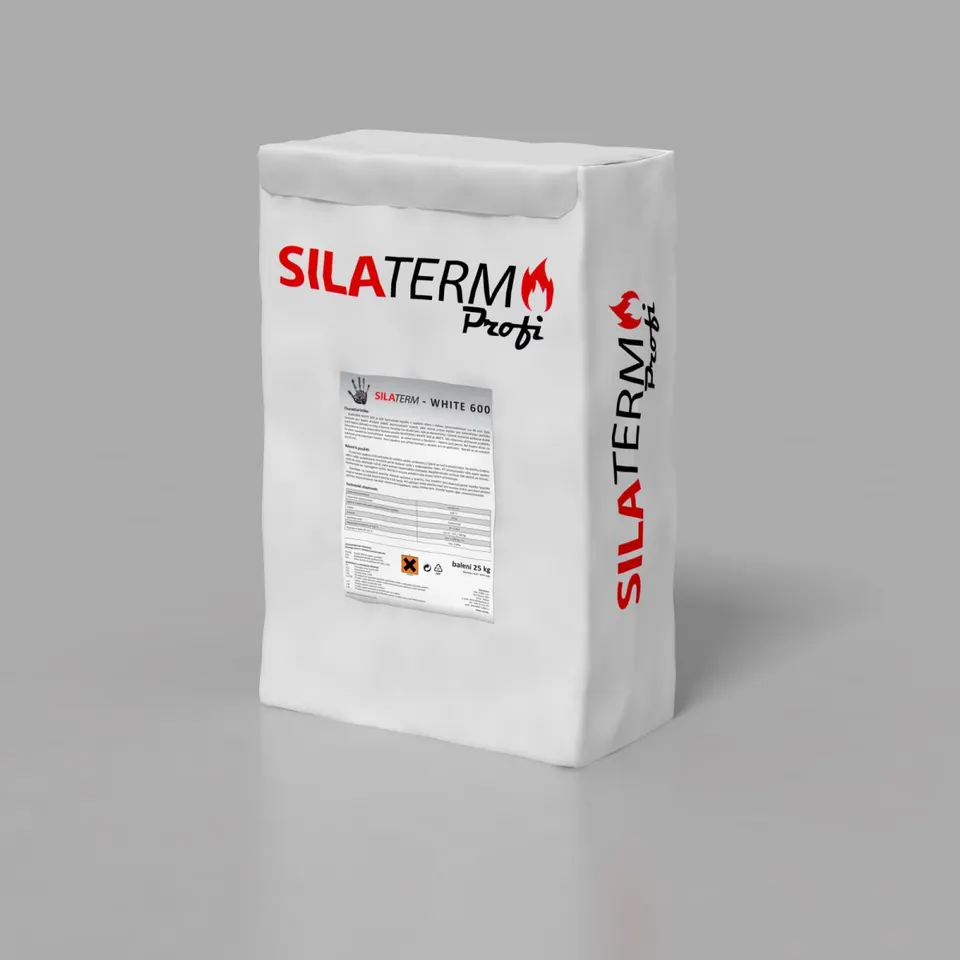
White Stove-Building Adhesive WHITE 600 - 20 kg
4.9 (6)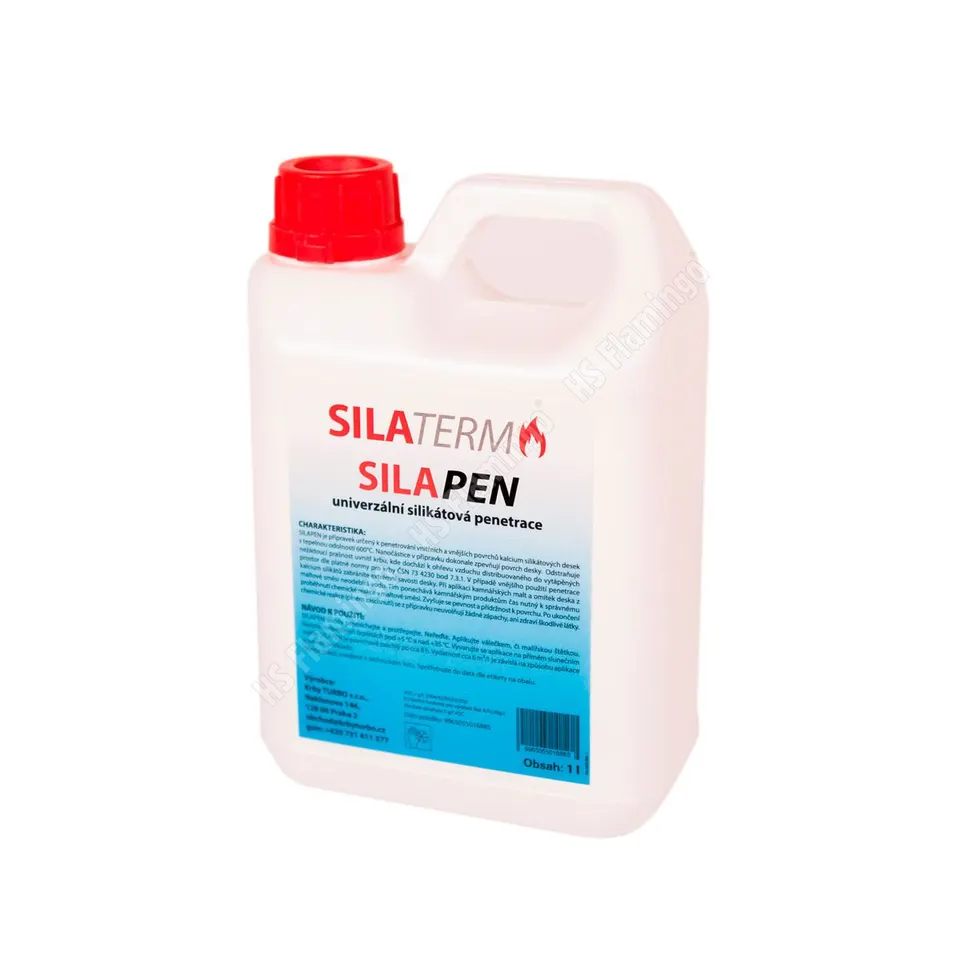
SILAPEN universal primer 1 l
4.8 (6)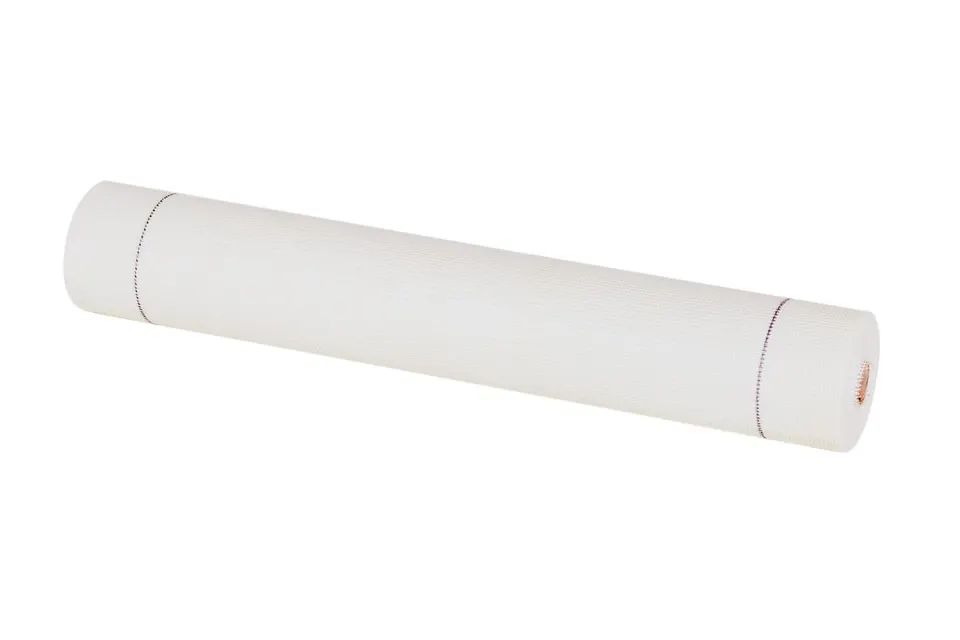
SILCATEX-SE stove-builder's glass fibre mesh 1 lm
4.9 (8)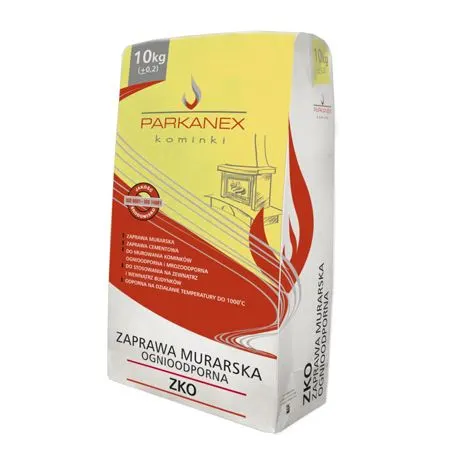
Refractory Masonry Mortar, ZKO 10kg
5.0 (5)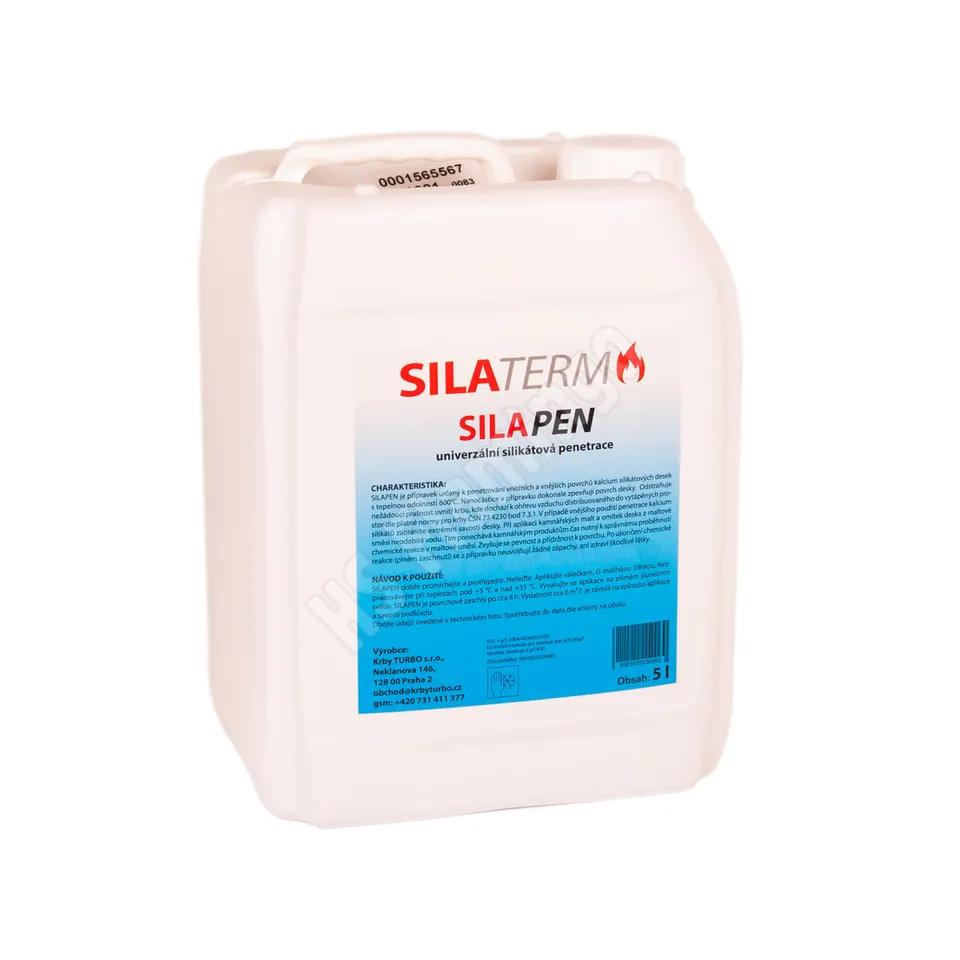
SILAPEN universal primer 5 l
5.0 (1)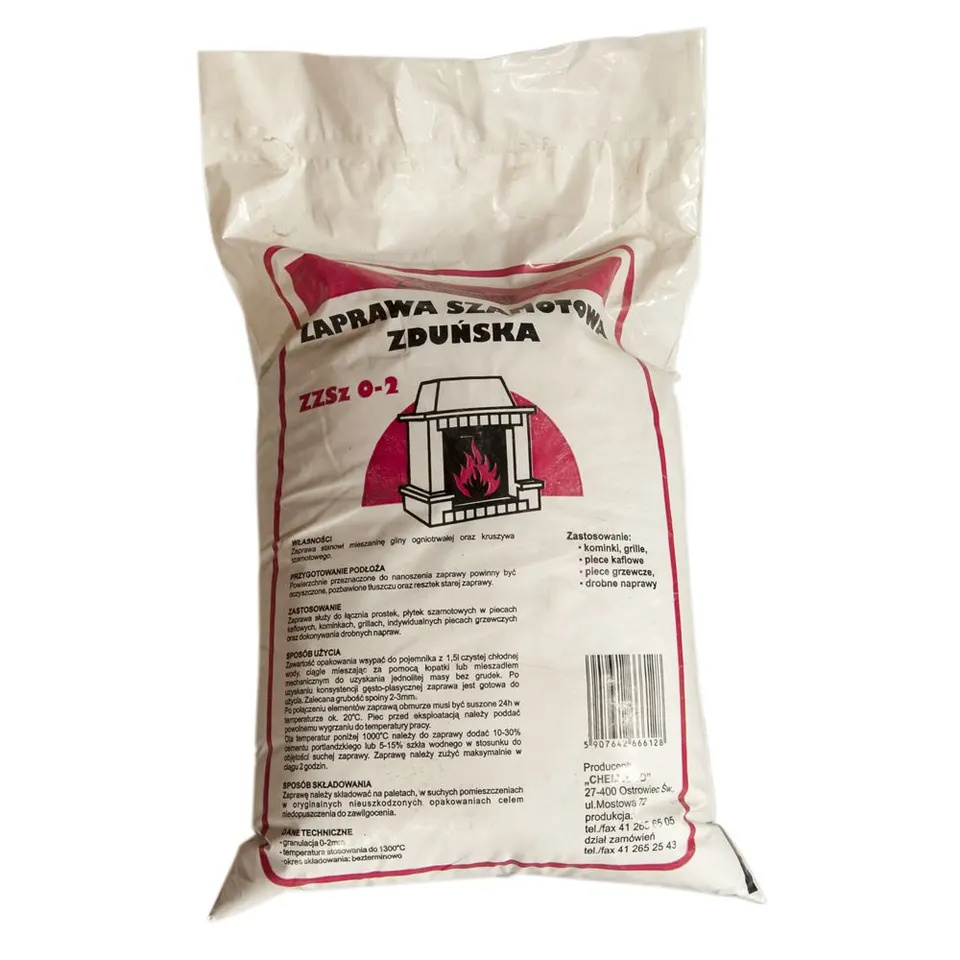
Firebrick mortar 25 Kg
4.9 (9)
DOUBLETERM special stove-builder's plaster 20 kg
5.0 (2)
Stove Plaster FINISH 5 kg
5.0 (1)
Stove Plaster MODEL 20 kg
Stove mortar KAMMAL 30 S - 20 kg
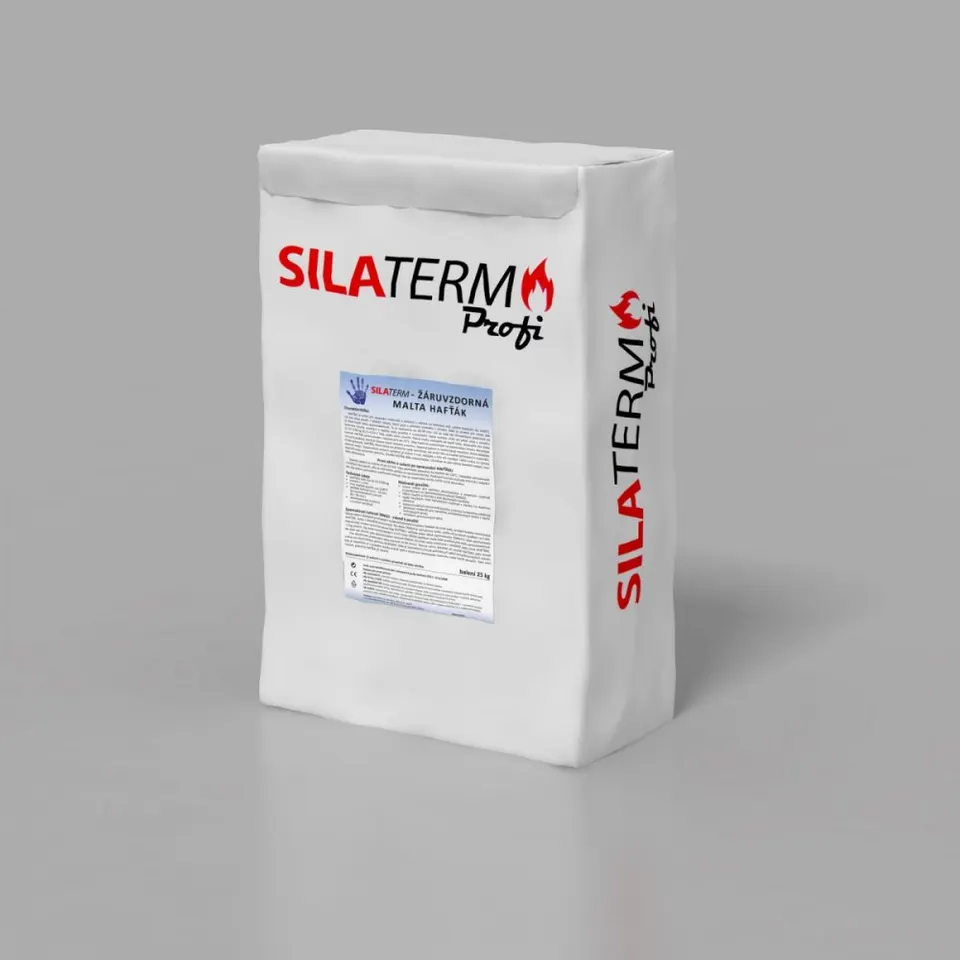
Refractory Stove Mortar HAFŤÁK 20 kg
5.0 (1)
White stove adhesive WHITE 600 - 5 kg
5.0 (4)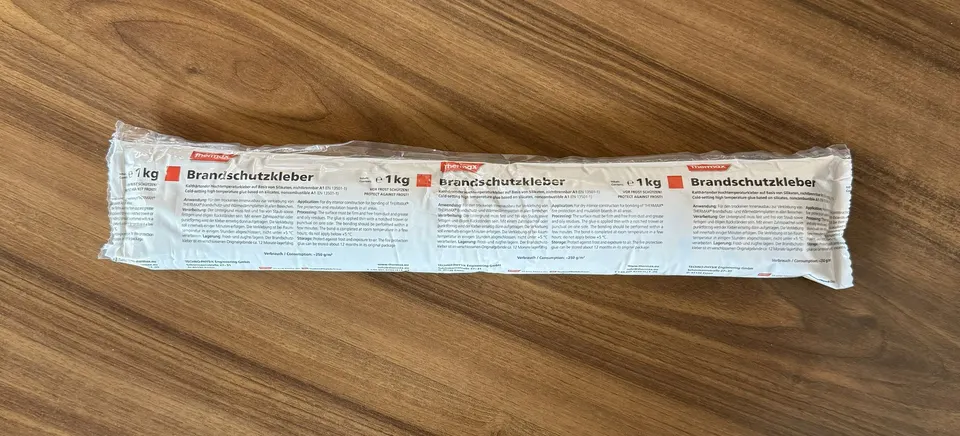
Glue 1100 °C adhesive, plastic bag 1000g
4.8 (5)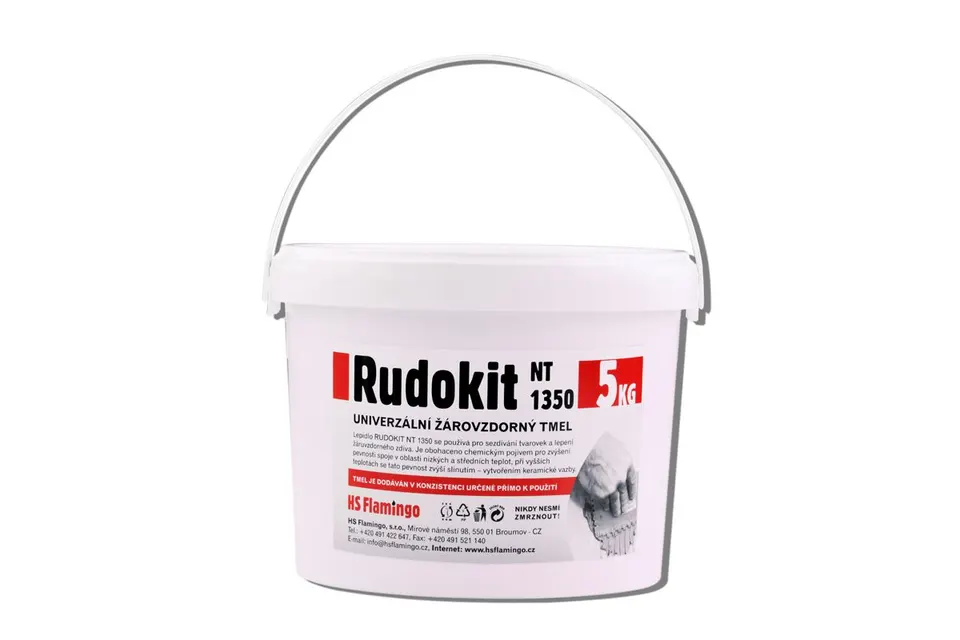
Rudokit adhesive NT 1350 5kg
5.0 (4)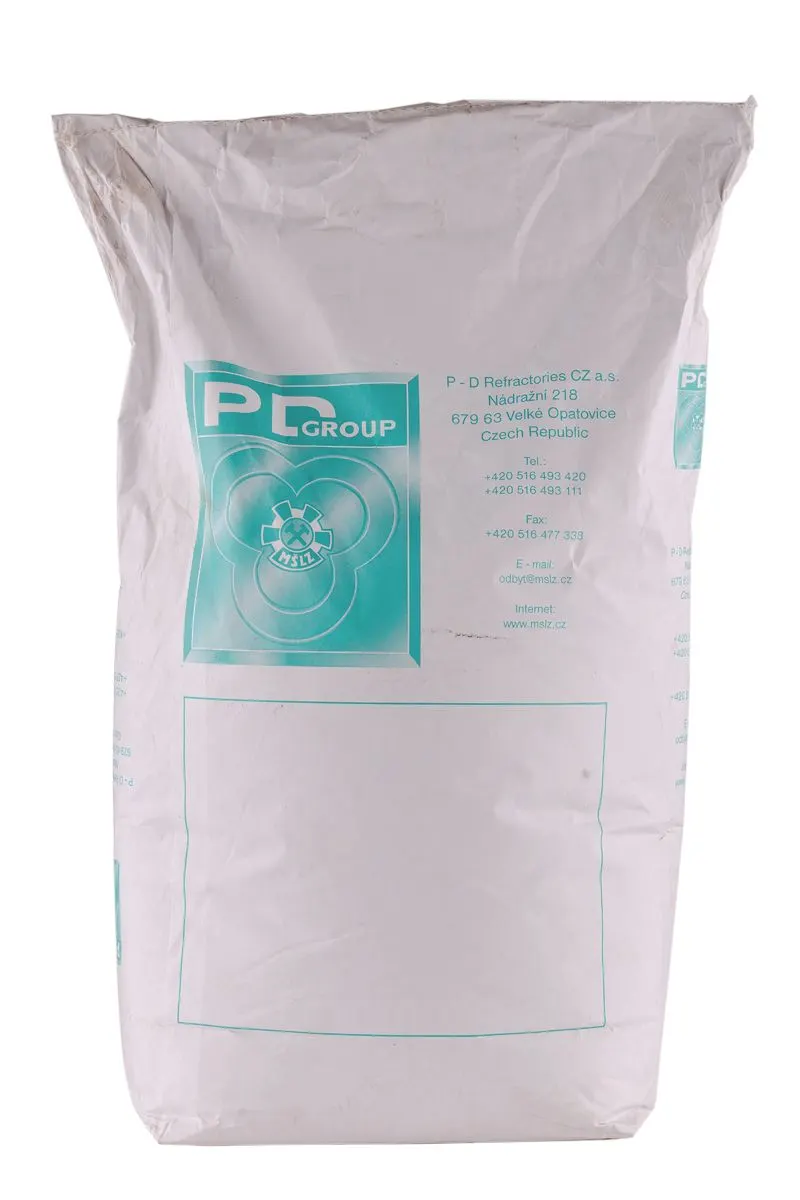
Quick-setting stove mortar Rudomal 1100 25kg
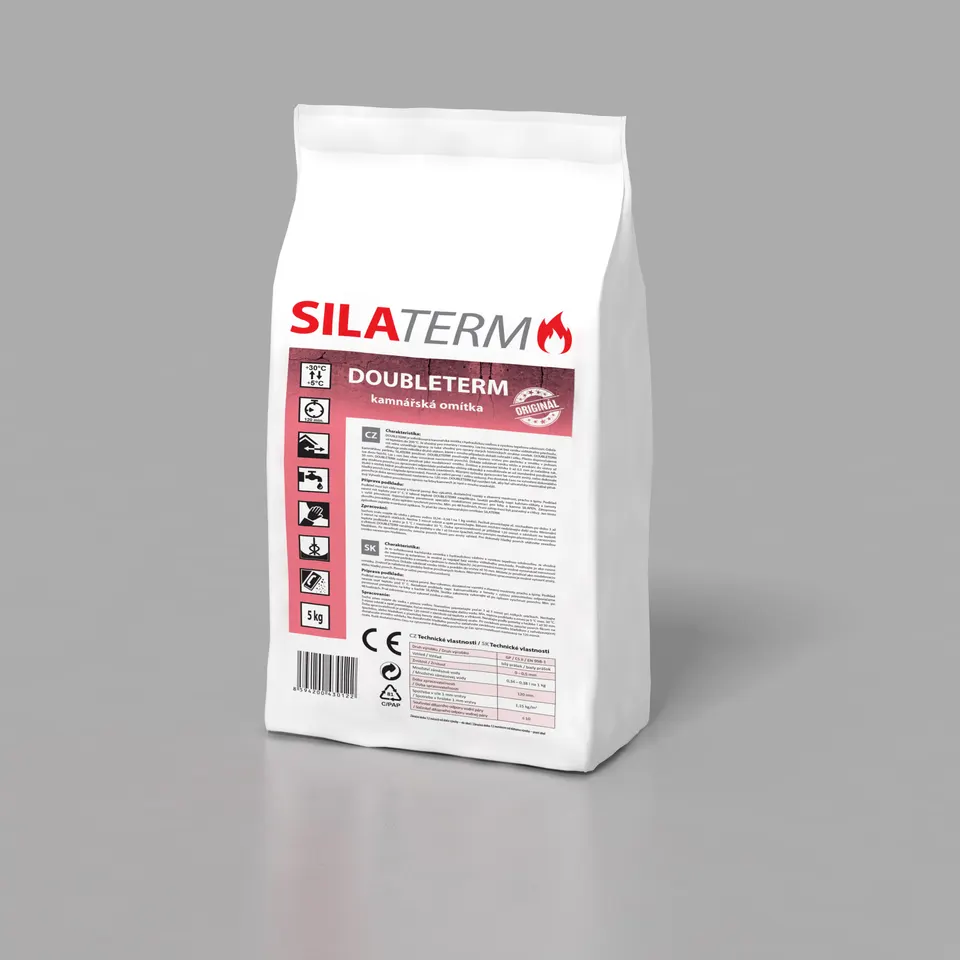
DOUBLETERM special stove render 5 kg
5.0 (3)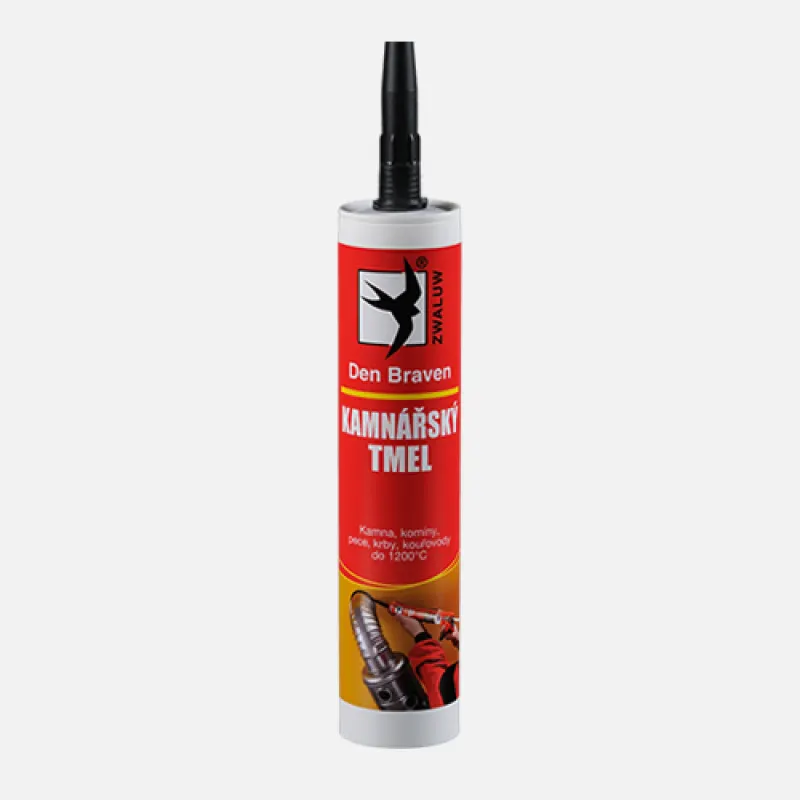
Stove Sealant, 310 ml, 1200 °C, Black
4.5 (4)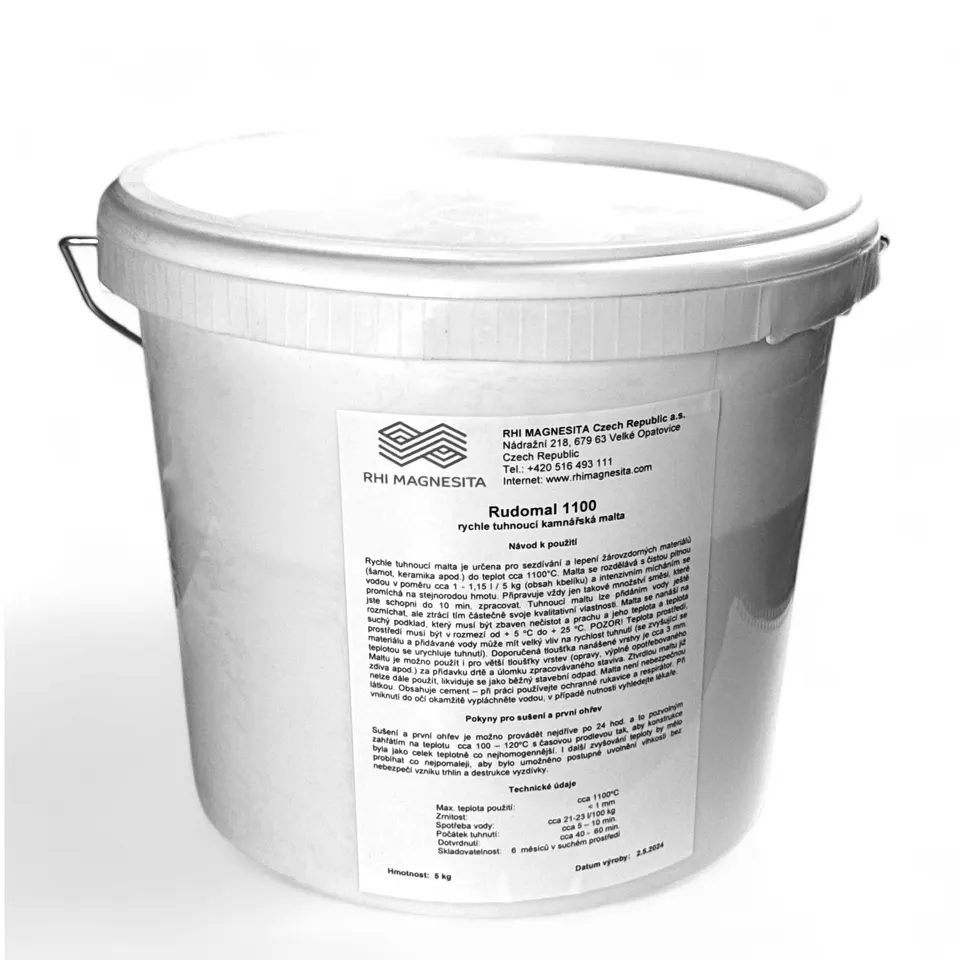
Rudomal Rapid-Setting Stove Mortar 1100 5kg
4.7 (3)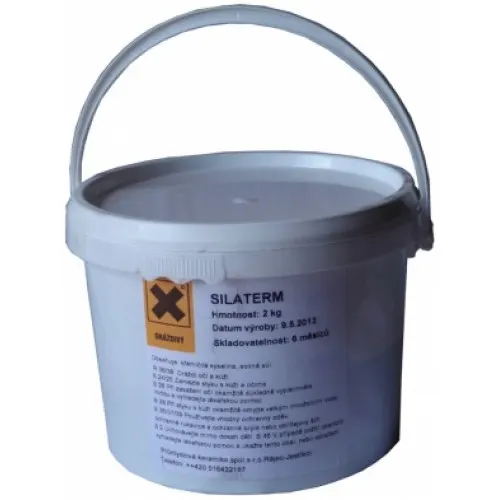
Universal adhesive 2 kg
4.3 (3)Stove Plaster MODEL 5 kg
4.0 (1)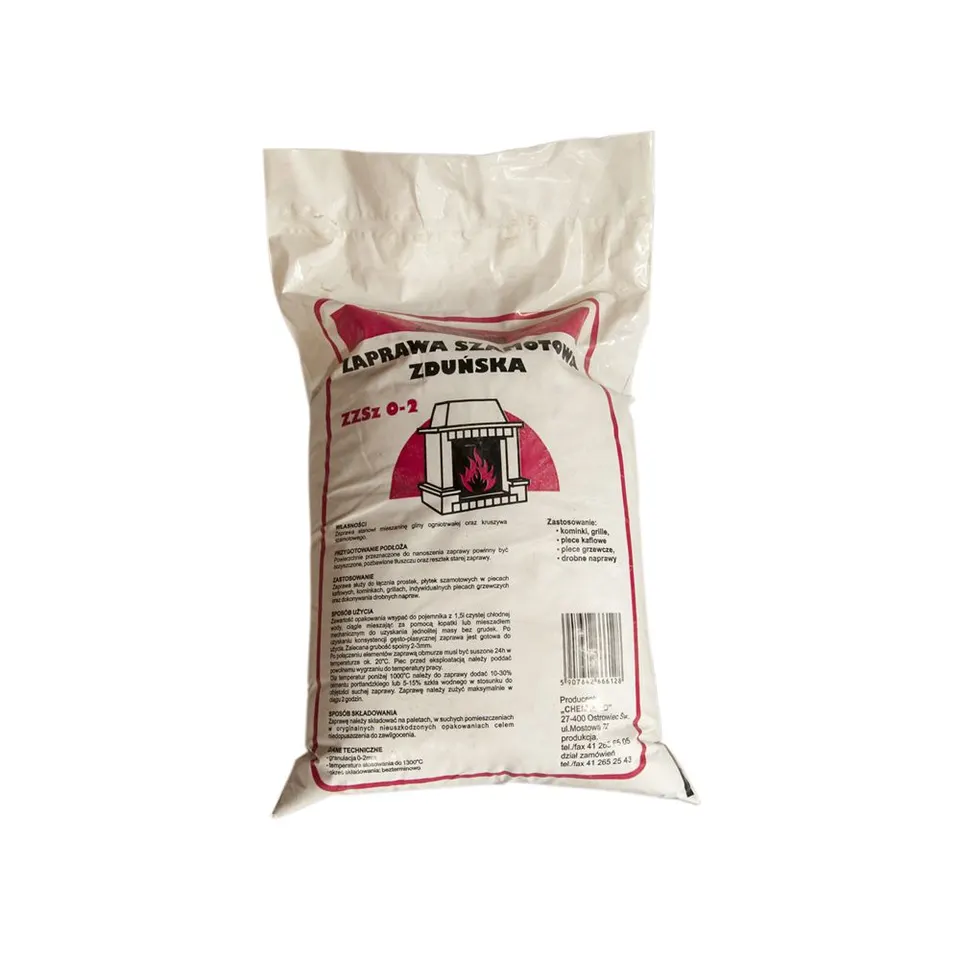
Firebrick mortar 10 kg
5.0 (3)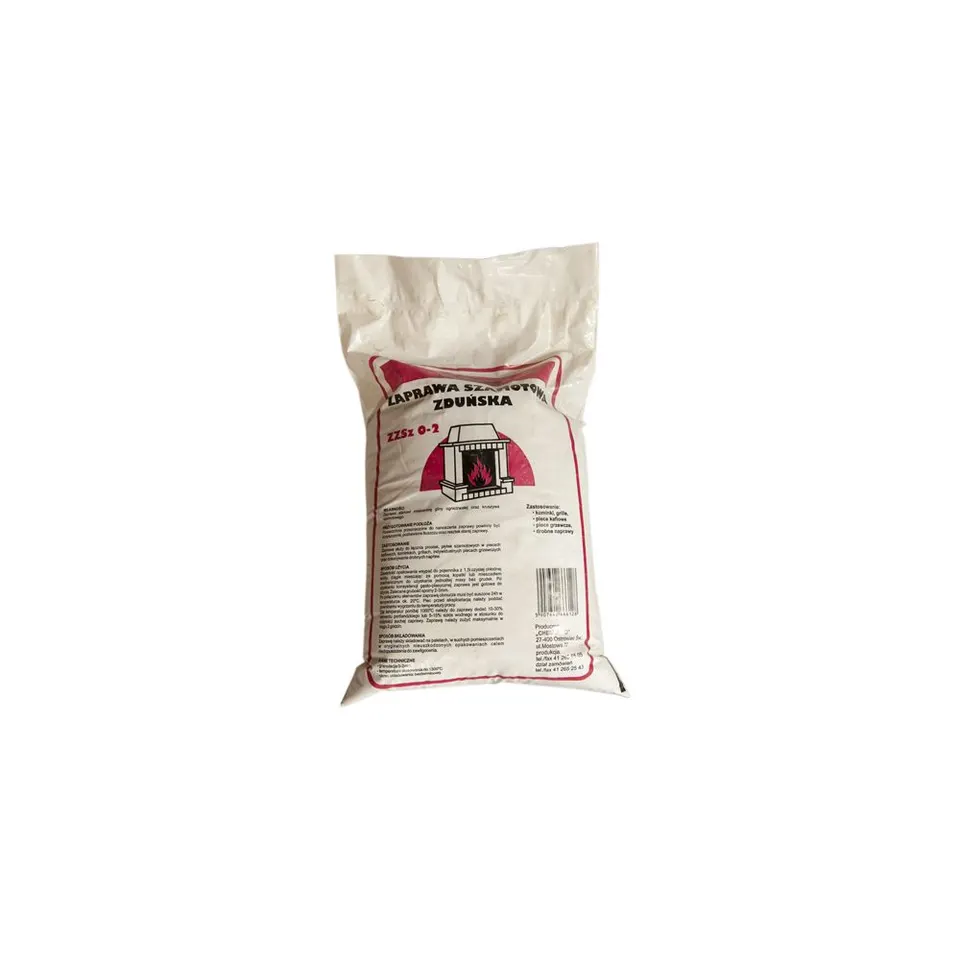
Firebrick mortar 5 kg
5.0 (2)What to look for when choosing materials
The temperature where the material will be used and the substrate are what matter. Heat-resistant mortars and high-temperature adhesives belong in the firebox and with firebricks, while stove mortars and plasters with a lower heat rating are enough for the surround and surface finishes. Also check the pack size – smaller weights suit repairs to a single joint, larger bags a complete build.
Step by step
- Mortars for laying firebricks and linings and pointing the firebox
- Adhesives for stove cladding, tiles and joints exposed to heat
- Plasters for the base coat and the fine finishing coat
- Other – primers, reinforcing mesh, putty and water glass to go with each layer
Things to remember when working
The substrate must be clean, sound and free of grease; absorbent surfaces are treated with primer so the mix does not dry out before it gains strength. Layers are applied in turn from base coat to finish, and reinforcing mesh helps limit hairline cracks where different materials meet.
The finished build needs to dry out properly, and the first fires should be kept gentle so the moisture escapes gradually. The joints and plaster are where a stove's long life really shows – so it pays to use materials designed specifically for stove work, not ordinary building mixes. As a manufacturer of stoves and fireplace inserts, we recommend choosing materials for the specific part of the appliance and not mixing systems unnecessarily.